

Home/The Program
The program
Find momentum again.
A structured, nature-based therapeutic program for young adults who are ready to build something steadier: clinical depth, real practice, and a family plan that holds at home.
The arc
A clear arc, paced to the person.
Structure and skill-building first, then the autonomy to use what they have built, with a plan for what comes next. Progress sets the pace.
Steady ground
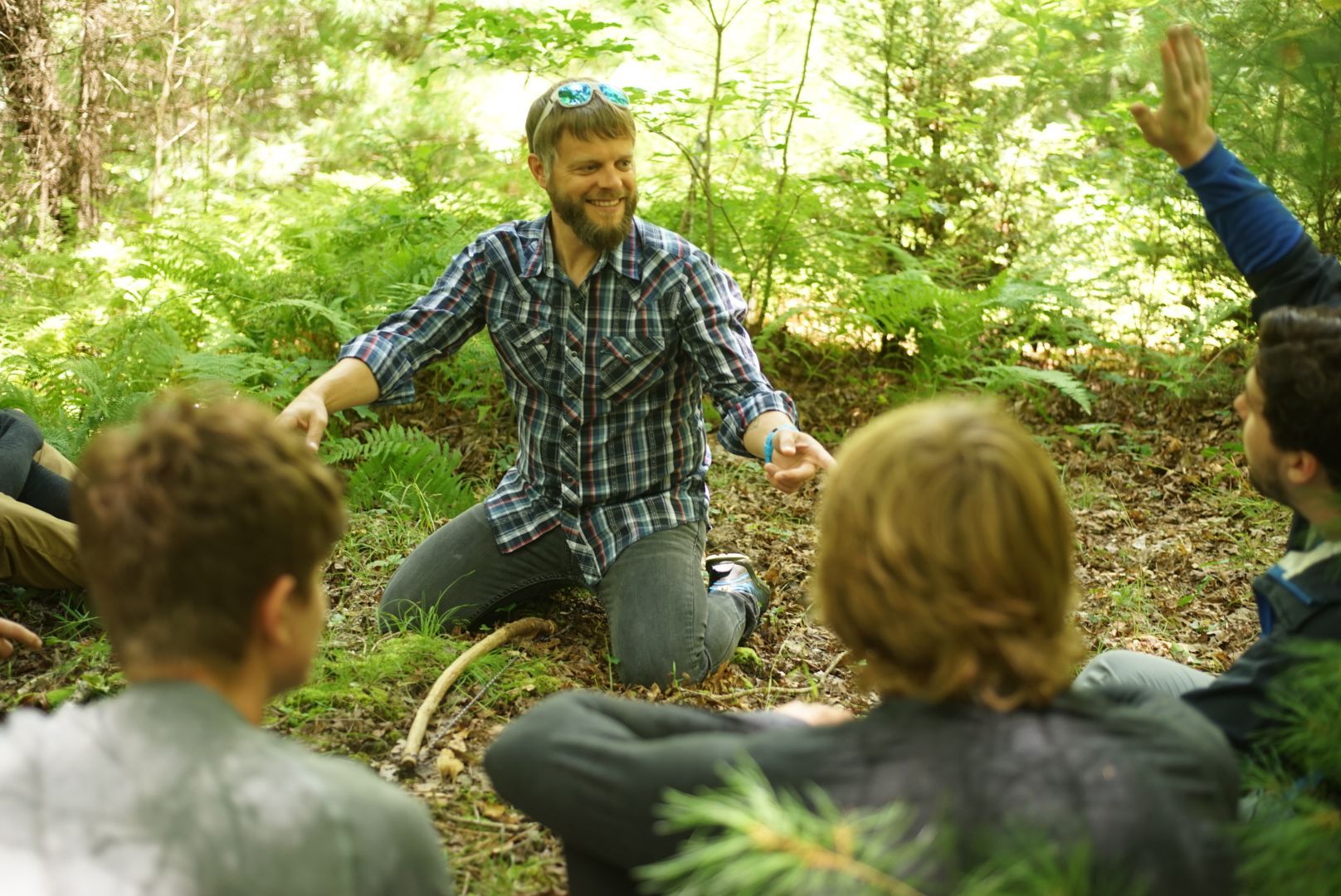
Days get a predictable rhythm: regular sleep, meals, exercise, and healthier technology habits. Individual therapy starts right away, with goals each student helps write.
- Family coaching from the first week
Skills, built deliberately
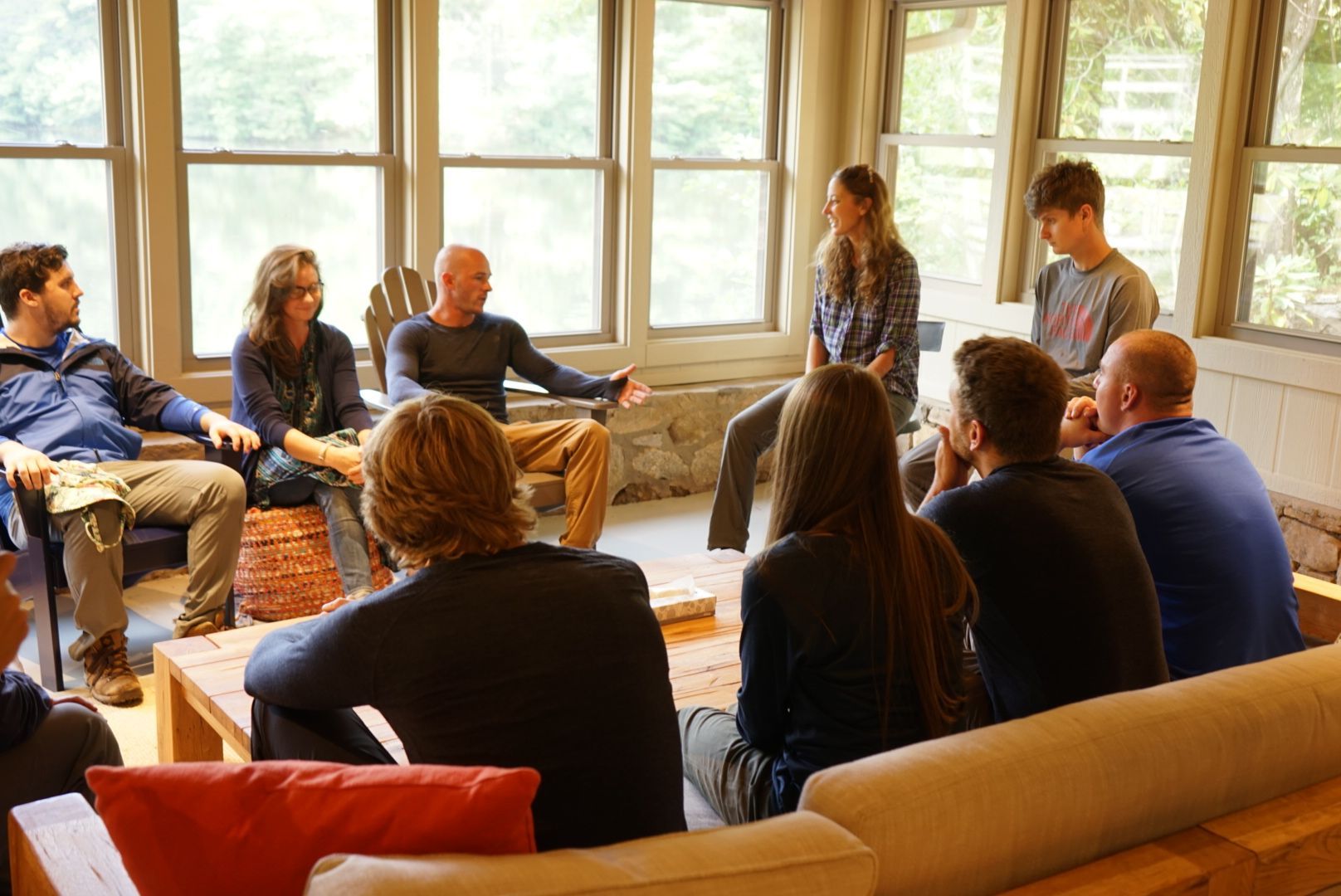
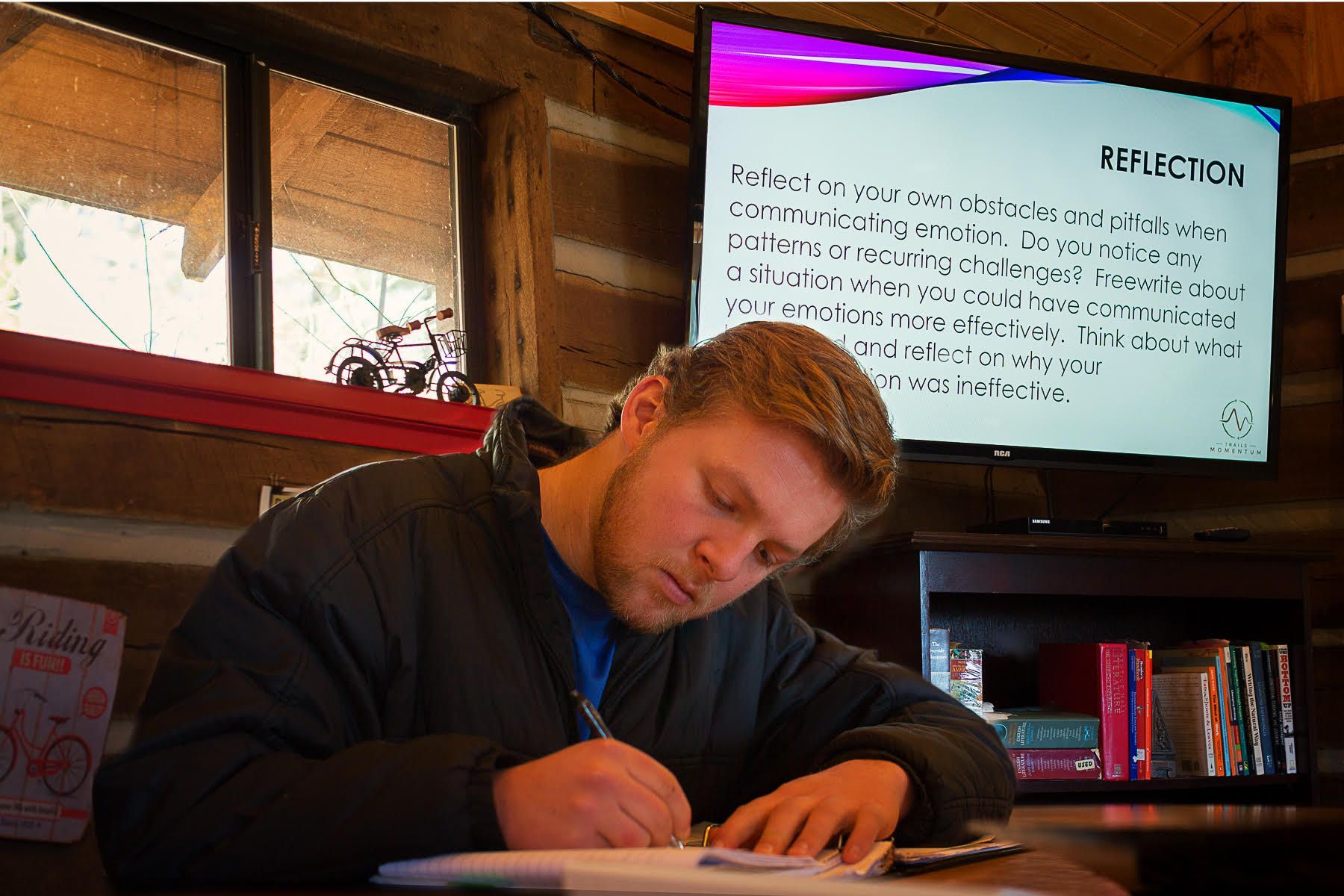
Twice-weekly individual therapy and group sessions with licensed clinicians. A small community means real one-on-one time to learn each skill properly, not just hear about it.
- CBT and DBT, practiced daily
Room to use them
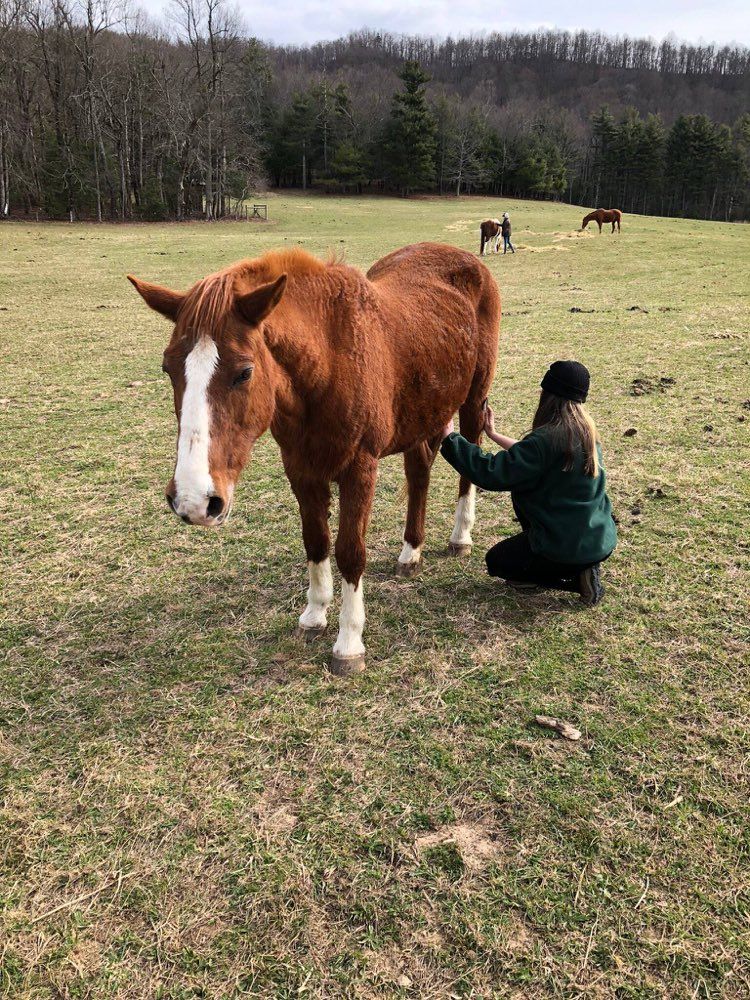
Skills move out of the therapy room and into real life: equine-assisted therapy, climbing, service projects, cooking, and community living. As the skills hold, autonomy grows. This is where confidence comes back.
- Social-emotional learning and life skills
Carrying it forward
Together with the family, students build a concrete plan for school, work, and living, so progress carries over after Ignite.
- Aftercare recommendations
A typical day
Structure that builds confidence.
From Ignite’s published daily schedule. Weekends bring service projects and outdoor adventures.
6:15AM
Personal time
Journaling, stretching, and a calm start.
7:30AM
Breakfast & goals
Cooking together and reviewing SMART goals.
9:00AM
Move, then group
Hike, bike, or yoga, then group therapy and SEL.
1:30PM
Skills & adventure
Climbing, fire skills, and science sessions.
4:00PM
Restore
Water time, yoga, or quiet reading.
5:30PM
Dinner together
Shared cooking and clean-up.
6:30PM
Honor Circle
Gratitude, accountability, and being recognized by peers.
9:00PM
Lights out
A consistent bedtime, with real rest.
Life skills
Moving through therapy into action.
Every student practices the everyday skills of adult life until they’re second nature, one small win at a time.
Executive functioning
Starting tasks, planning, time management, keeping a calendar, and making decisions, built step by step.
Practical daily living
Cooking and meal prep, laundry, cleaning and home care, car basics, and health habits. Meal prep alone mirrors almost every adult task: decide, plan, get what you need, do it, clean up.
Work & direction
Informational interviews, job shadows, and honest conversations about values and work, so the next step is a real one.
Communication & relationships
Conflict resolution, self-advocacy, and boundaries. Students rehearse hard family conversations before family sessions.
Emotional resilience
Emotional regulation, handling failure, and daily journaling that goes past “how do you feel” to “what did you notice about your thinking.”
Progress you can see
A Growth Rubric and daily check-ins show whether a skill is forming, week by week. Families see it too.
Why adventure works
A safe place to take a real risk.
We build the emotional and physical safety to try new things, lead, and learn when to ask for help. Every adventure is designed around five elements.
- i.
Uncertainty
Stepping into something where the outcome isn’t guaranteed.
- ii.
Challenge
A real obstacle that asks for effort, skill, and creativity.
- iii.
Discovery
A new place, a new ability, or a new way of seeing things.
- iv.
Growth
Coming back different, and knowing it.
- v.
Purpose
A goal worth reaching, so the effort means something.
Therapeutic approach
Evidence-based care, practiced in real life.
Clinical methods chosen for young adults, carried into everyday life on campus.
Cognitive Behavioral Therapy
Identify and reshape the thinking patterns that keep anxiety and avoidance in place.
Dialectical Behavior Therapy
Emotional regulation, distress tolerance, and communication skills.
Equine-assisted therapy
Clinically guided work with horses to build trust, focus, and self-awareness.
Nature-based therapy
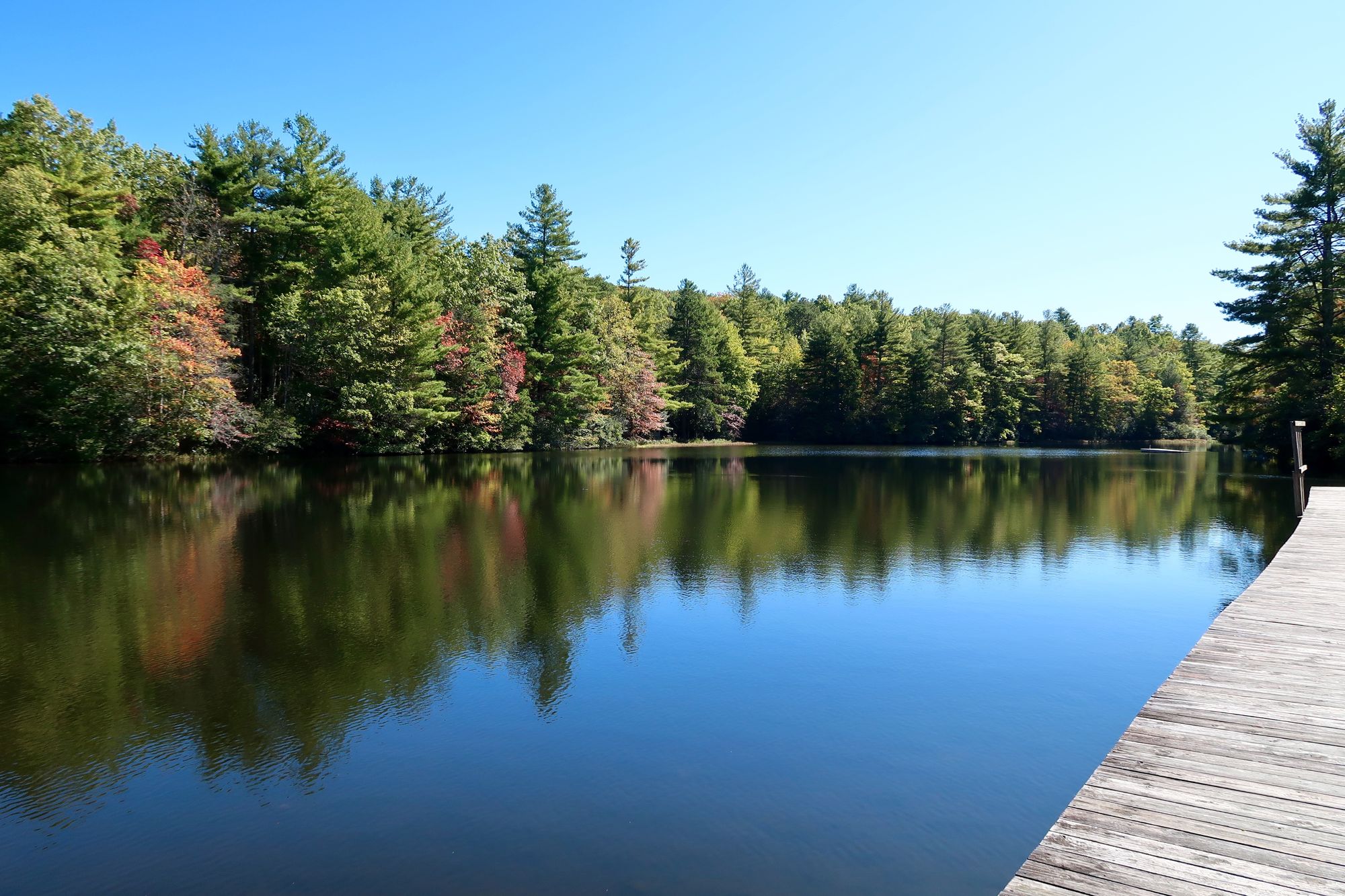
Daily time outdoors on a lakeside campus for regulation, movement, and challenge by choice.
Family systems work
Weekly parent coaching and treatment planning, so home changes too.
Academics & creativity
Social-emotional learning, outdoor education, and study skills, plus art, music, and crafts to explore interests and identity.
Who it’s for
The right fit matters.
We keep the community small and balanced so every student can make steady progress.
Ignite is designed for young adults who…
- Are out of high school and have lost traction at home or after leaving college
- Struggle with anxiety, depression, OCD, or avoidance
- Have ADHD, learning differences, or executive-function challenges
- Overuse gaming or screens
- Are willing, even reluctantly, to try
A higher level of care comes first if someone…
- Needs medical detox
- Needs acute psychiatric stabilization
- Presents a current safety risk
- Has substance use that needs residential treatment first
- Has an eating disorder that needs medical monitoring
- Has a recent history of violence toward others
- Isn’t willing to take part voluntarily
If that’s where you are, we’ll help you find the right next step.
Rolling admissions
Give the spark some air.
One free, confidential conversation can show you what’s possible.